Copying Mother Nature’s Transition Milk Recipe
Fresh cows have a perfect meal prepared for their newborn calves the minute they hit the ground. Their first-milking colostrum provides all the right ingredients to promote optimal gastrointestinal tract development, jump-start the calf’s metabolism, and support the immune system.
We place a lot of attention on the first feeding of colostrum. Making sure ample volume is fed in a timely, hygienic manner is foundational to every calf’s survival, health, and lifetime performance. But what about the meals that follow colostrum?
Over the last few years, researchers have taken a deep dive into the intricacies and merits of transition milk. This is the milk produced after colostrum, but it is not considered standard, whole milk.
We know immunoglobulin-G (IgG) decreases in colostrum over time. This makes sense because calves’ ability to absorb IgG also declines rapidly in the same time frame. (Proof that Mother Nature really knows her stuff!).
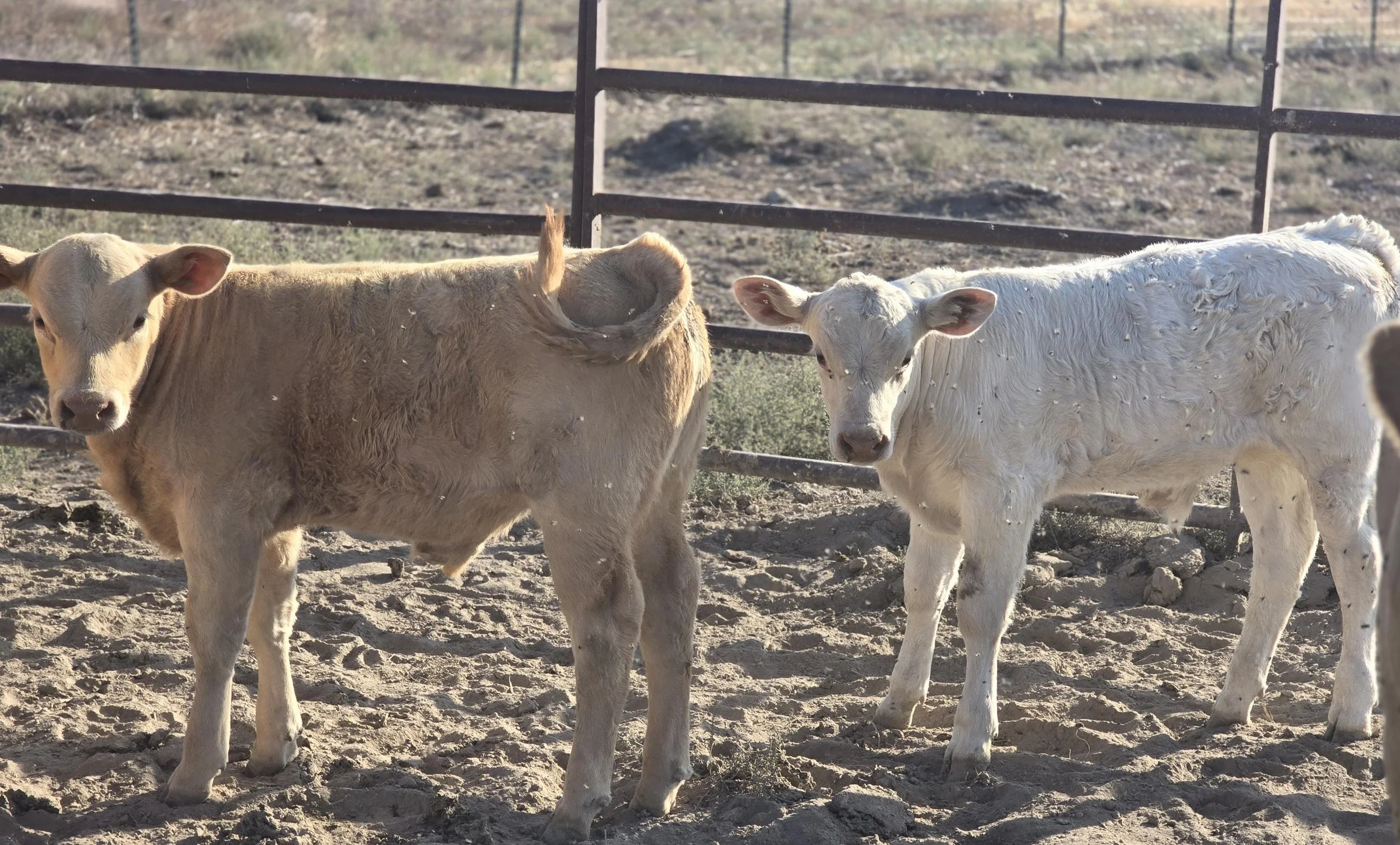
But aside from the change in IgG, transition milk contains higher concentrations of other beneficial antibodies, fat, protein, lactose, peptides, enzymes, and hormones that make it different than milk, but also different than colostrum. A native beef calf nursing its dam receives colostrum on day one but also gets transition milk with the ingredients provided by Mother Nature in the days that follow.
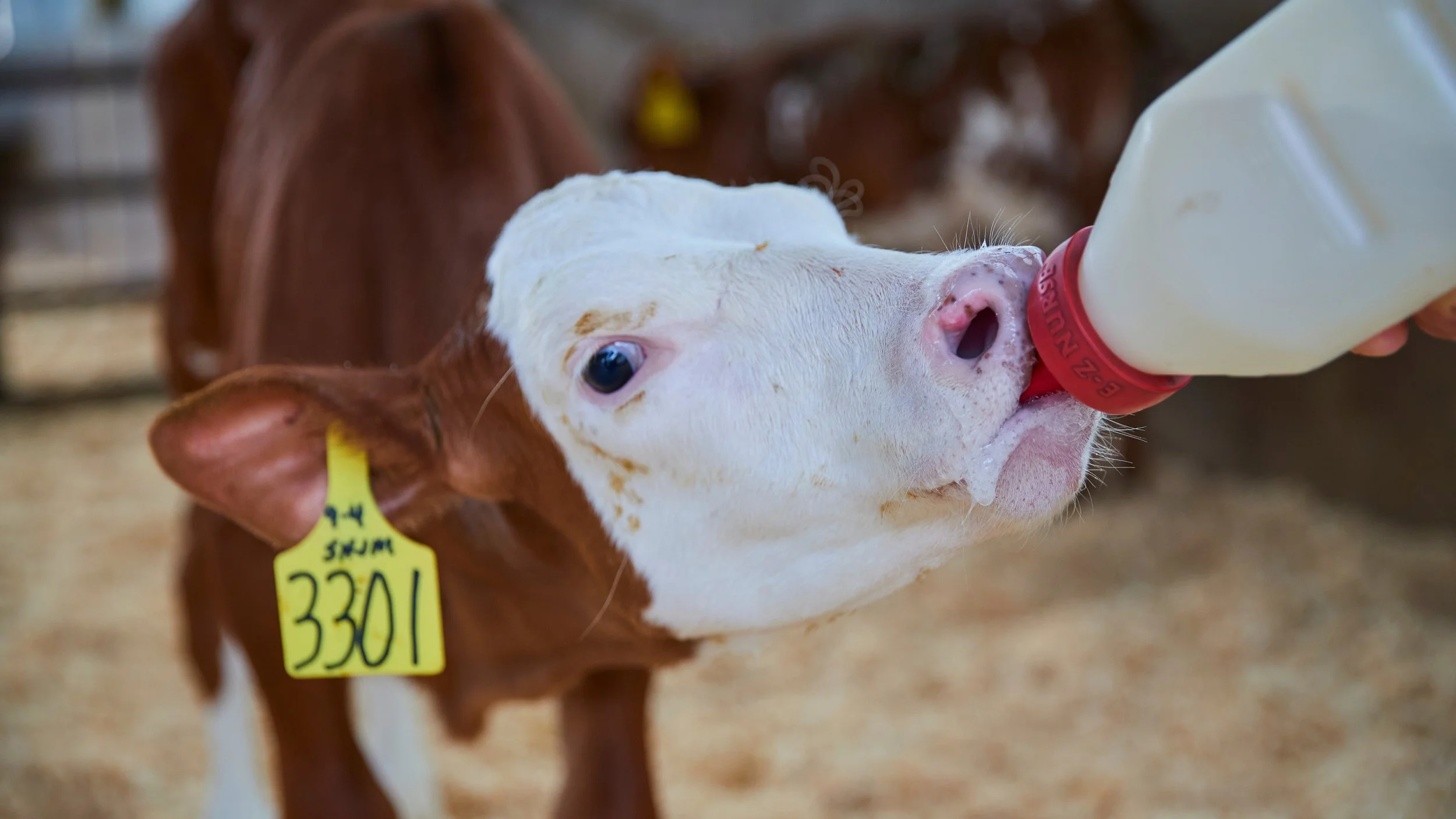
So, are there ways commercial dairies and calf ranches can reap the benefits of transition milk for their calves, and is it worth the effort and investment? The answer is “yes” and “yes.” Both research-based and “real world” evidence shows that calves fed transition milk have reduced scours incidence, shorter duration of scours, improved average daily gain (ADG), and reduced death loss.
Though it may sound complicated, it is possible and there are different options to fit your operation:
1) True transition milk – Some dairies are able to adjust their post-fresh management structure to capture transition milk up to day 5, pasteurize it and feed it to their newborn calves. This is ideal, but often impractical. Dairies want to get cows into the regular milking string and salable milk into the bulk tank and to the processor as soon as possible. Also, many calves are transported from their dairy of origin to a new rearing site within a day or two of birth.
(2) Colostrum booster doses – Dairies with surplus, first-milking colostrum (or even from second and third milkings) might choose to freeze it in micro-doses, like ice cube trays, and pop those frozen colostrum cubes into the regular liquid ration for calves in the first week or more of life. It is a nifty idea and can work well, but only if highly sanitary protocols are followed to execute it.
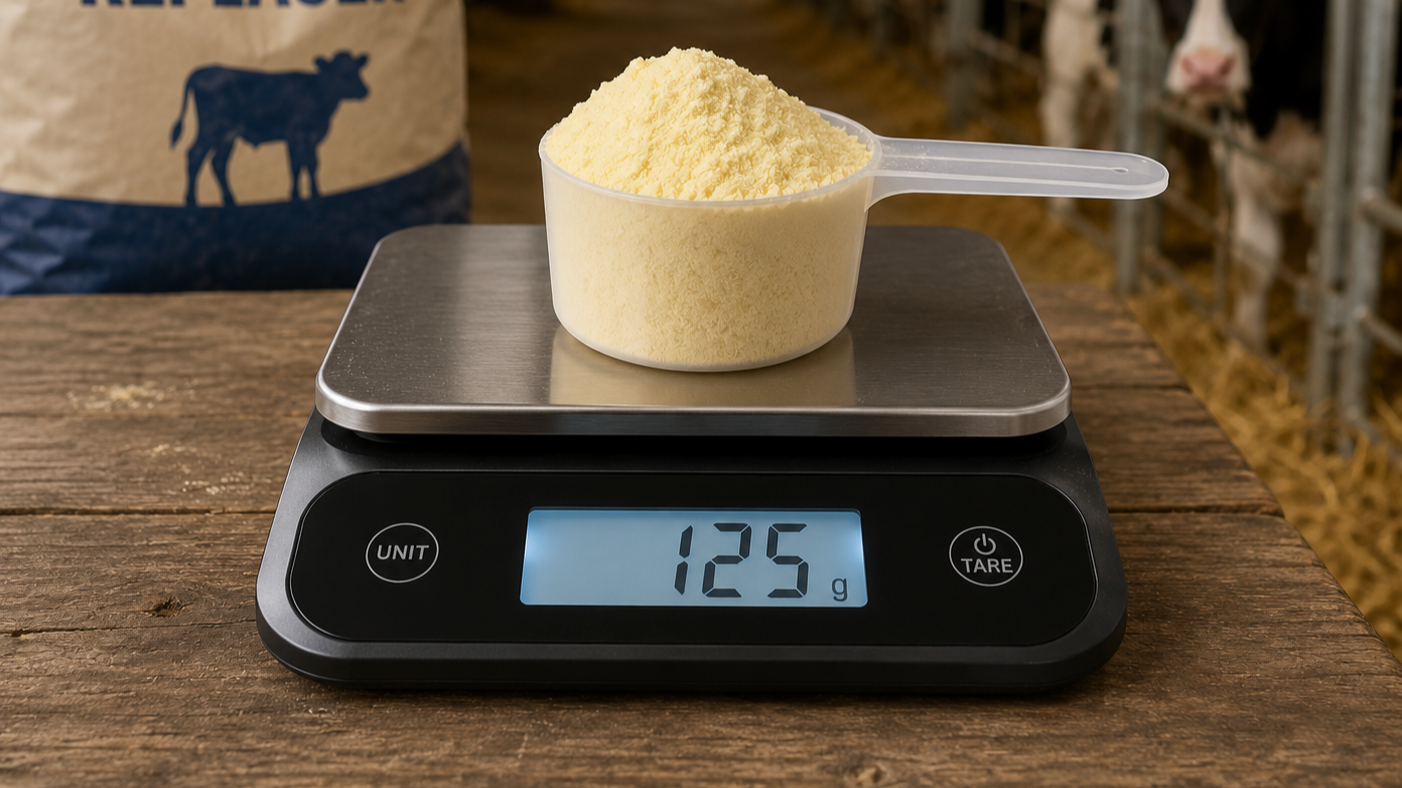
(3) Bravo PD-1 – This unique, powdered supplement from Strauss Feeds contains colostral fat and other beneficial gut-development components in colostrum, except IgG. Bravo PD-1 contains 60% protein and 24% fat and promotes digestive tract maturation in calves’ first weeks of life via high-quality nutrition and bioactive compounds, at a fraction of the price of dried colostrum. Bravo PD-1 can be fed as a supplement (added to whole milk or milk replacer on-farm) or can be blended into the Strauss Milk Replacer at time of manufacture.
(4) Colostrum replacer – Adding some colostrum replacer to whole milk or milk replacer is another option. While potentially more costly, it is an easy step to perform on-farm and can be customized for individual calves.
(5) Plasma – Using plasma in the milk replacer formulation is a fifth option. Plasma supplies a functional protein supplement to the liquid ration, meaning it not only provides protein for growth, but also helps support the calf’s immune system. Spray-dried plasma can be added to Strauss milk replacer formulations as a protein source. Additionally, Smart Start® from Strauss Feeds is a comprehensive supplement that provides plasma, probiotics, vitamins, and trace minerals.
“One of my favorite quotes comes from Cornell University Professor of Dairy Nutrition, Dr. Mike Van Amburgh who said, ‘We want to work with the biology of the calf, not against it.’ Think about that for a minute. What does Mom make and what is the calf expecting? Rather than devising new ways to treat sick calves, why not proactively feed them in a way Mother Nature and their biology intended?.”
Transition milk is a nutritional bridge between colostrum and standard milk/milk replacer diets. Based on all the evidence we have supporting it, choosing to feed a simulation of transition milk is a smart decision. The more challenging part is determining the correct recipe and feeding plan for each individual dairy or calf ranch.
Your Strauss Feeds representative would be happy to help weigh the options for the best transition milk strategy for your operation. Click HERE to find your representative.
RECENT POSTS