Newborn Calves are a Blank Slate
When a newborn calf enters the world, much of its future lies in our caring hands. Unlike humans and many other species, bovine mothers have a limited ability to pass immunity to their offspring in-utero.
That means calves are born with an immune system that’s a “blank slate” that starts to be filled as soon as the calf is born. In many ways, the first guests to show up to the party are the winners. In this case, the “guests” could be bacteria, antibodies, or maternal cells. Will that newborn calf be greeted by a mouthful of manure, or a bottle of fresh, clean, high-quality colostrum? The one that gets there first will influence that calf’s future.
The necessary steps for a healthy, productive future on a newborn calf’s slate include:
(1) Calving environment – A newborn calf should be born into a clean, dry maternity pen, preferably away from other cows. Similar to calf housing, calving pens should always be well-ventilated, but draft-free.
(2) Navel dipping – Dip navels immediately in a 7% tincture of iodine. Increasingly, dairies are dipping navels with disposable paper cups versus reusable dippers or sprayers for thorough, antiseptic coverage.
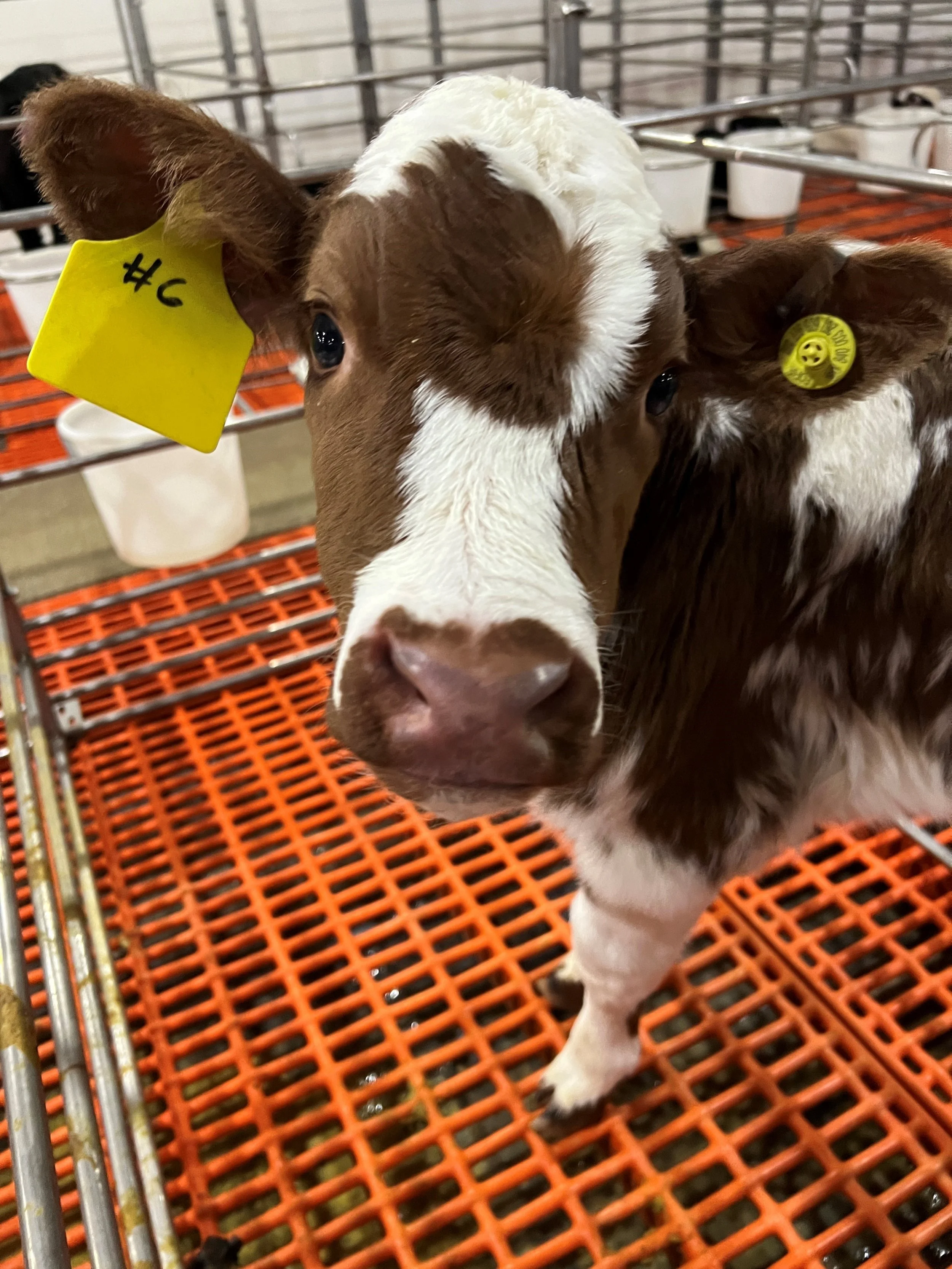
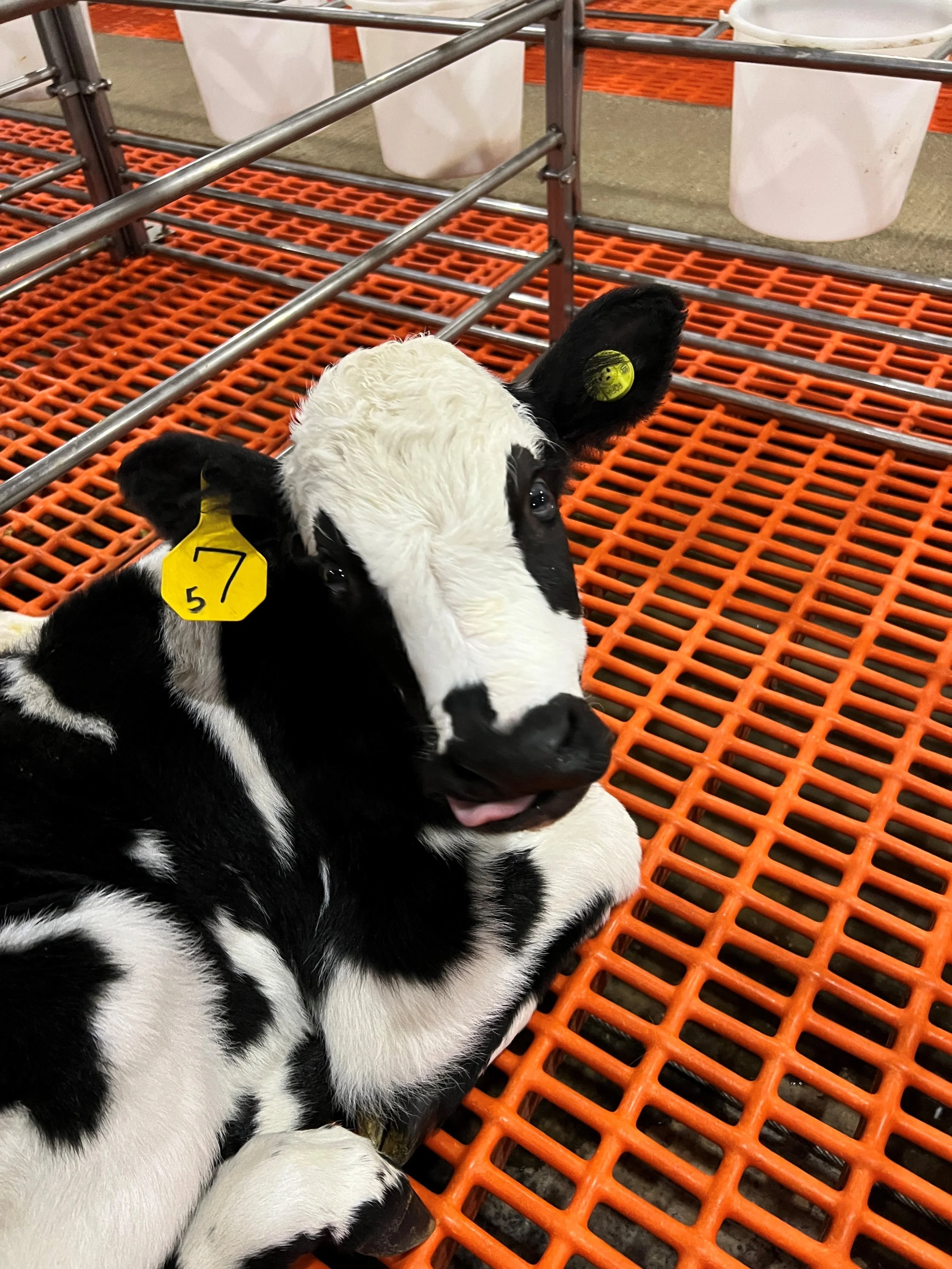
(3) Identification – Every newborn calf should be tagged immediately to create permanent identification.
(4) Hair care – Dry newborn calves immediately with clean, dry bath towels. Drying the hair coat prevents chilling and provides an insulative layer for warmth. Plus, the physical stimulation promotes blood flow and jump-starts lung activity. Some dairies are going a step further by drying every newborn calf with pet hair dryers. After the hair coat is thoroughly dry, calf jackets should be added in cold weather. An emerging new step that I’m starting to see on some farms: wiping dry newborns down with chlorine dioxide disinfectant powder as an additional barrier to invasive pathogens. On a personal note, I’m going to try this on my calves and will report back my findings in the future.
(5) Colostrum – It may sound like a broken record, but getting high-quality colostrum into every newborn calf (whether female, male, or cross-bred) as quickly as possible will allow for transfer of maternal antibodies to calves that they did not receive in-utero. It is ideal to feed 8-10% of the calf’s body weight of colostrum in the first 12 hours of life. This is preferably split between two feedings, with the first feeding administered in the first hour of life. Reality tells us, it’s not always possible to milk the dam within an hour of calving. Having high-quality frozen colostrum, or a commercial colostrum replacer on-hand is recommended. Colostrum should be fed at a temperature of 101-105°F, so calves do not have to expend body heat to warm it up internally.
(6) Housing – Where calves reside after they leave the maternity pen is just as important as their initial environment. Clean, dry, well bedded, draft-free, and well-ventilated all apply here as well.
(7) Transition milk – A growing body of research is uncovering merits of feeding calves with milk from the second and greater milkings following colostrum harvest. If a dairy is able to logistically manage this, it’s best for that transition milk to be pasteurized. In cases where dedicated harvest of transition milk is not possible, supplements can be added to the milk or milk replacer to mimic the beneficial components of transition milk for up to the first week of a calf’s life.
(8) Vaccinations – Always consult your veterinarian for advice on vaccination programs. There are many great options available for both scours and respiratory disease.
Every calf is a new opportunity for a dairy. With attention to detail, well-defined protocols, and consistent implementation of those management steps, we can fill in the blanks and give calves the best possible start to a healthy and productive life.
RECENT POSTS