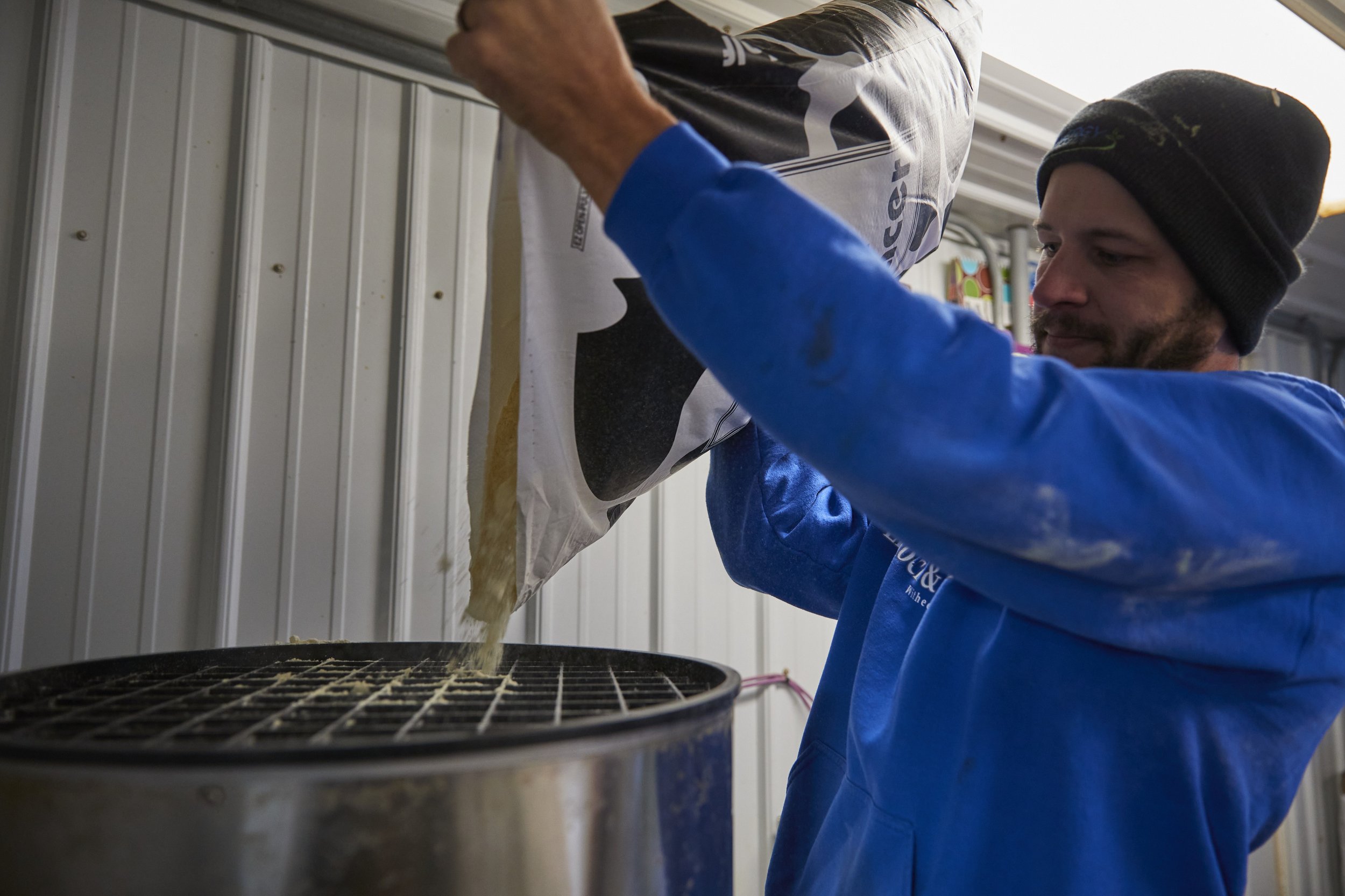
Delivering excellent, consistent nutrition to calves via milk replacer depends on more than just combining the right ingredients and meeting the guaranteed nutrition analysis on the bag tag. Today’s milk replacers also need to physically perform in a reliable fashion in the conditions where customers are using them. Mixing milk replacer into solution should not be hard work. Instead, much of that work should already be done by the manufacturer.
Achieving ideal milk replacer solubility depends on striking a delicate balance between fat, protein, emulsification, drying conditions, and particle structure. That process is a marriage between science and manufacturing ability.
Why particle size matters
One important lesson we have learned in the milk replacer industry over time is that creating an ultra-fine powder is not the route to excellent solubility. Extremely fine powders can float on the water, clump, or form a filmy layer that is difficult to incorporate.
Rather, achieving an optimally soluble milk replacer depends on a process called instantization. Instantization improves the powder’s ability to wet, disperse and dissolve more readily when the particles contact water.
Milk replacers also contain considerably more fat than products like nonfat dry milk, so properly incorporating and emulsifying fat is critical to producing a product that disperses evenly.
On-farm performance
Excellent instantization and flowability results in a milk replacer product that:
Feeds consistently – Uniform dispersal of ingredients means calves receive the correct formulation and solids concentration, without powder floating to the top, sticking to equipment, or settling to the bottom of the formulation.
Delivers accurate nutrition – Excellent solubility creates greater confidence that the desired levels of protein, fat, vitamins, minerals, and additives are delivered consistently to every calf at every feeding.
Saves time and frustration – Preparing milk replacer is an important daily task. It should not require more labor due to poor product solubility or slow mixing.
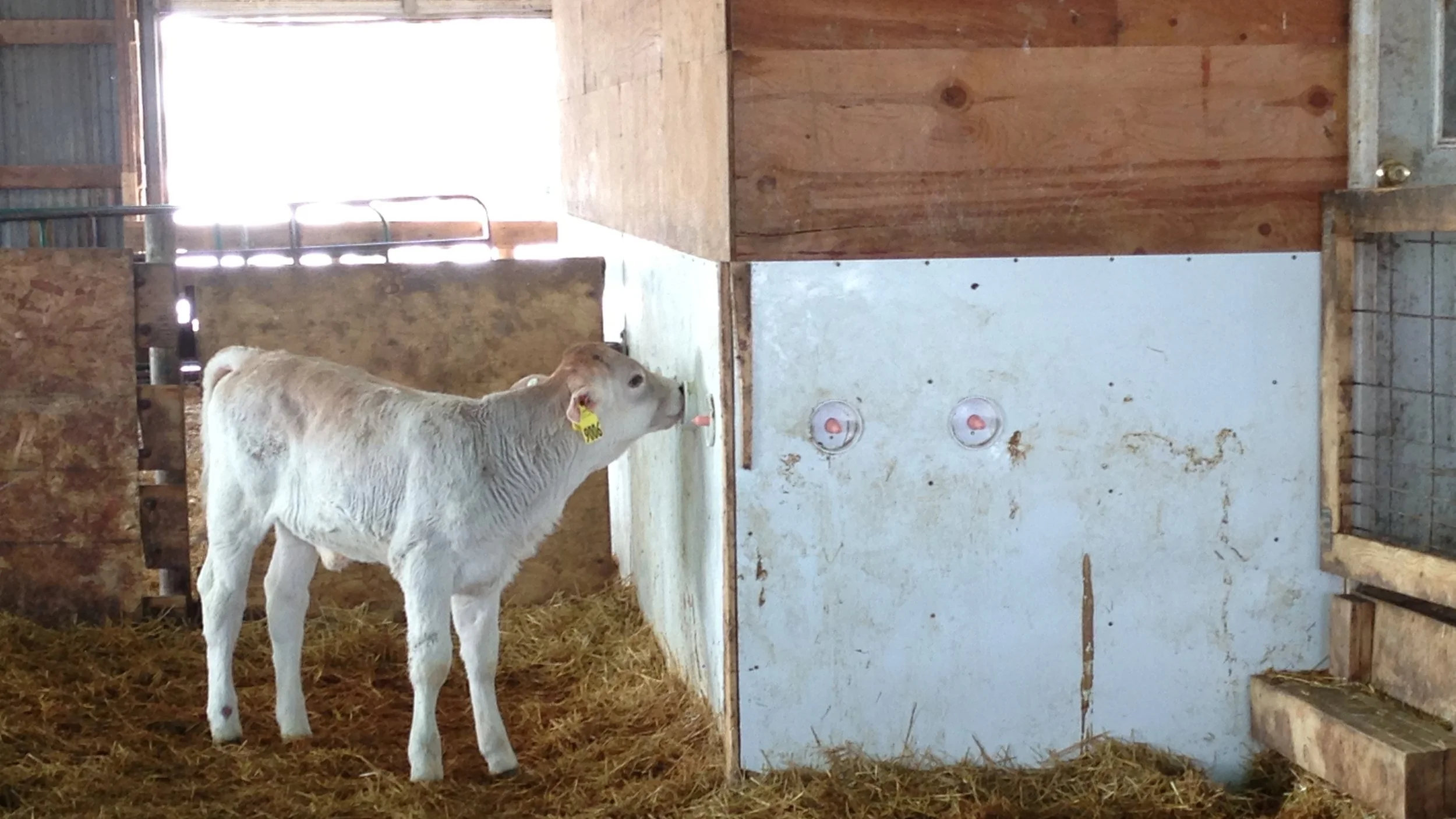
Performs well in autofeeders – Consistent powder flow, wetting, and dispersion become increasingly important when milk replacer is used in automated or high-volume feeding systems.
“Our role does not end when the product goes into the bag. On-farm conditions can affect how milk replacers perform, which is why the Strauss team is always available to help customers with storage, water temperature, mixing procedures, equipment, and troubleshooting.”
Manufacturing matters
Producing the optimal particle size, density, and surface characteristics for ideal instantization is a job we take seriously at Strauss Feeds. Our hands-on manufacturing and quality control measures focus not only on nutritional content of the finished product, but also on how that product is manufactured and how consistently it performs.
Because we spray-dry our own protein-encapsulated fat, we have greater control over the quality and consistency of our inputs. Ingredients we do not manufacture ourselves come from a small group of trusted suppliers whom we have worked with for decades. Our shared commitment to first-rate ingredients carries through to the finished product.
And while owning the right manufacturing equipment is important, experience operating that equipment and understanding how different formulas behave is also critical. Plus, our routine laboratory analysis ensures that customers can expect the same consistency and solubility in bag after bag and batch after batch.
Our decades of experience manufacturing milk replacers have helped us continually refine the relationship between formulation, spray drying, fat incorporation, agglomeration, and finished-powder characteristics.
Performance doesn't end at the plant
Our role does not end when the product goes into the bag. On-farm conditions can affect how milk replacers perform, which is why the Strauss team is always available to help customers with storage, water temperature, mixing procedures, equipment, and troubleshooting.
The goal is to help ensure our milk replacers perform on-farm the way they were designed to perform at the plant. The best milk replacer should deliver more than a guaranteed analysis. It should mix consistently, flow reliably and make the daily job of feeding calves easier.
RECENT POSTS